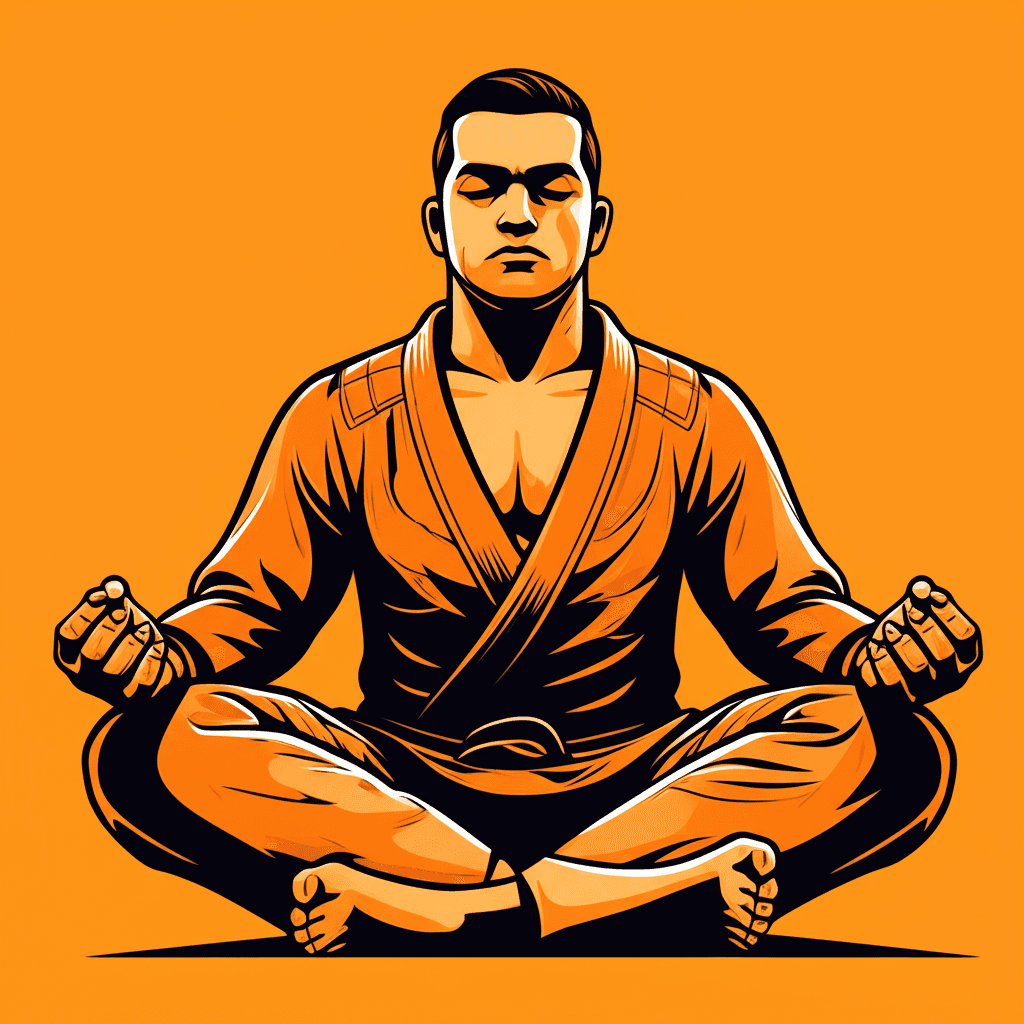
You've trained hard. Your technique is sharp. Your conditioning is peaked. But when you step on the mat, will your mind help or hinder you?
Mental preparation separates good competitors from great ones. Here's how to develop it.
Why Mental Preparation Matters
Under competition stress, your body undergoes physiological changes:
- Heart rate increases
- Adrenaline floods your system
- Peripheral vision narrows
- Fine motor skills decline
Without mental training, these changes can overwhelm you. With preparation, you can channel this energy into performance.
The Competitive Mindset
Reframe Nerves as Excitement
The physical sensations of anxiety and excitement are nearly identical. The difference is in your interpretation.
Anxious thinking: "My heart is racing—I'm scared." Excited thinking: "My heart is racing—I'm ready to perform."
Research shows that simply telling yourself "I am excited" before stressful performance improves outcomes.
Focus on Process, Not Outcome
You cannot control whether you win. You can control:
- Your warm-up quality
- Your focus during matches
- Your effort and aggression
- How you respond to adversity
When you focus on what you can control, anxiety decreases.
Embrace Discomfort
Competition should feel uncomfortable. If you're comfortable, you're probably not competing at your level.
Accept that discomfort is part of the experience. The goal isn't to eliminate nerves—it's to perform despite them.
Mental Training Techniques
Visualization
Visualization is mentally rehearsing your performance. Done correctly, it's remarkably effective.
How to Practice:
- Find a quiet space
- Close your eyes
- Imagine yourself at the competition venue
- Engage all senses (sounds, smells, feelings)
- See yourself executing techniques perfectly
- Include challenges and how you overcome them
Timing:
- 10-15 minutes daily in final weeks before competition
- Short visualizations during warm-up
- Between matches during tournament
What to Visualize:
- Arriving at the venue feeling confident
- Warming up effectively
- Your walkout and initial grip fighting
- Executing your game plan
- Overcoming adversity (bad positions, fatigue)
- Winning moments
Breathing Techniques
Controlled breathing directly influences your nervous system.
Box Breathing (calming):
- Inhale for 4 counts
- Hold for 4 counts
- Exhale for 4 counts
- Hold for 4 counts
- Repeat 4-6 times
Energizing Breath (pre-match):
- Short, sharp inhales through nose
- Powerful exhales through mouth
- 10-15 seconds before match
Self-Talk
The words you say to yourself matter. Develop positive phrases to use under pressure.
Examples:
- "I belong here"
- "I'm prepared for this"
- "Stay in the moment"
- "Trust my training"
- "This is what I trained for"
Practice these during hard training so they're automatic in competition.
Pre-Competition Routine
A consistent pre-competition routine reduces anxiety by creating familiarity.
The Night Before
- Pack your bag completely
- Lay out tomorrow's clothes
- Light dinner, familiar foods
- Brief visualization session
- Early bedtime
Competition Morning
- Wake at consistent time
- Light, familiar breakfast
- Minimal decision-making
- Arrive 2 hours early
- Follow exact warm-up routine
Pre-Match Routine
Develop a 10-15 minute routine you do before every match:
- Light movement (5 min)
- Sport-specific drills (3 min)
- Breathing technique (1 min)
- Visualization (2 min)
- Self-talk/affirmations (1 min)
- Final movement to elevate energy (2 min)
Practice this routine before hard sparring sessions so it becomes automatic.
Managing Match Anxiety
Before Your First Match
First-match nerves are normal. Combat them with:
- Staying warm and moving
- Focusing on your breathing
- Listening to music that calms or energizes you
- Talking to supportive teammates
- Reviewing your game plan mentally
Between Matches
- Light movement to stay warm
- Eat small snacks if time permits
- Brief visualization for next match
- Focus only on the next opponent
- Avoid analyzing previous matches deeply
When Things Go Wrong
Despite preparation, you may find yourself in bad positions or losing. Your response matters.
Mental Reset:
- Acknowledge the situation ("I'm down on points")
- Take one deep breath
- Focus on the next immediate action
- Execute one technique at a time
Never give up mentally before the match ends physically.
Post-Competition Mental Work
After Wins
- Acknowledge what worked
- Note areas for improvement
- Enjoy the success without over-analysis
- Thank your support team
After Losses
- Allow yourself to feel disappointment briefly
- Avoid immediate negative self-talk
- Wait 24-48 hours before analyzing
- Extract lessons objectively
- Recommit to training with new focus
Building Mental Toughness
Mental preparation is a skill that develops over time.
Daily Practices:
- 5-10 minutes visualization
- Breathing exercises during training
- Positive self-talk during hard rolls
- Embracing discomfort deliberately
During Training:
- Simulate competition stress
- Practice starting from bad positions
- Complete rounds when exhausted
- Roll with pressure and intensity
Competition Experience:
- Enter smaller competitions regularly
- Each competition builds mental muscles
- Learn from every experience
Common Mental Mistakes
- Outcome focus: Worrying about winning instead of performing
- Over-thinking: Analyzing during match instead of reacting
- Comparisons: Focusing on opponent's reputation
- Time obsession: Constantly checking the clock
- Negative self-talk: Criticizing yourself during match
The Prepared Mind
When you've done the mental work, you'll notice:
- Nerves feel manageable
- You can focus despite distractions
- Bad positions don't panic you
- Time seems to slow down
- You trust your training automatically
This state doesn't happen by accident. It's the result of deliberate mental preparation.
Train your mind like you train your body. The results will show on competition day.
Tags
TrainingBJJ Team
TrainingBJJ Team