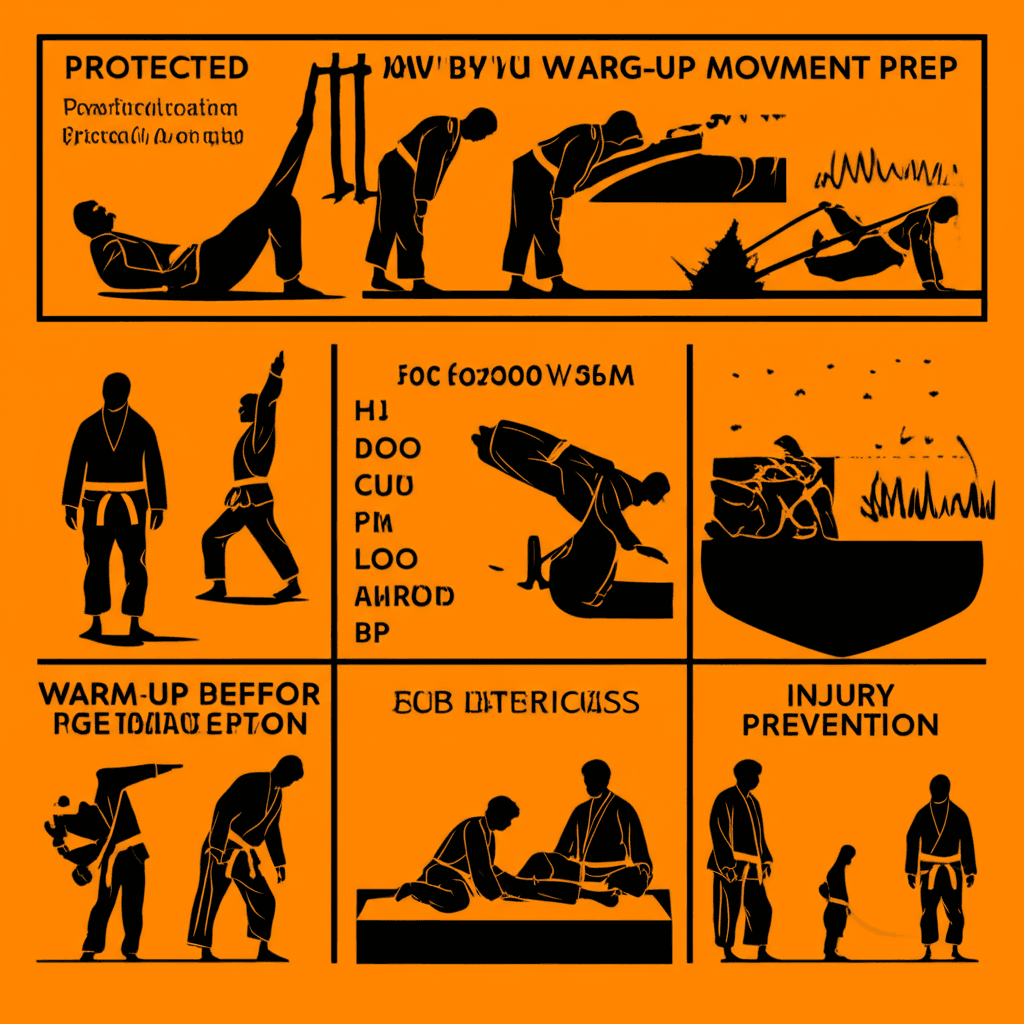
BJJ is one of the safest martial arts, but injuries still happen. The good news is that most injuries are preventable. This guide covers everything you need to train hard while staying healthy.
Common BJJ Injuries and Their Causes
Understanding what goes wrong helps you prevent it.
Shoulder Injuries (Most Common)
- Cause: Being stacked, Kimura/Americana pressure, posting badly during falls
- Prevention: Shoulder mobility work, learning proper breakfalls, tapping early
Knee Injuries
- Cause: Twisting while foot is planted, leg locks, guard passing pressure
- Prevention: Hip mobility (reduces knee torque), controlled drilling of leg locks
Neck Injuries
- Cause: Being stacked in guard, poor takedown mechanics, can openers
- Prevention: Neck strengthening, proper bridging mechanics, avoiding dangerous positions
Back Injuries
- Cause: Guard work, repeated bridges, poor lifting mechanics
- Prevention: Core strength, hip mobility, proper technique
Hand/Finger Injuries
- Cause: Gi gripping, accidental finger catches
- Prevention: Grip training, tape prevention, letting go of grips before injury
Pre-Training Protocol
What you do before training matters as much as how you train.
Dynamic Warm-Up (10-15 minutes)
-
Light Cardio (3 min)
- Jogging, jumping jacks, or cycling
- Elevate heart rate gradually
-
Hip Circles (2 min)
- Small to large circles
- Internal and external rotation
-
Shoulder Mobility (2 min)
- Arm circles
- Wall slides
- Band pull-aparts
-
BJJ-Specific Movement (5 min)
- Hip escapes
- Technical stand-ups
- Bridging
- Light flow rolls
What to Avoid Before Training
- Static stretching (save for after)
- Heavy lifting (fatigues muscles)
- Training when injured (makes it worse)
- Training while sick (compromises immune system)
During Training: Smart Practices
Rolling Guidelines
-
Match intensity to partner
- Adjust for size/skill differences
- Communicate expectations before rolling
-
Know when to tap
- Early taps prevent injury
- Never let ego override safety
- There's no medal for tapping late
-
Stay in control
- Explosive movements = higher injury risk
- Controlled pressure is safer and more effective
-
Communicate constantly
- Say when something hurts
- Stop immediately when partner taps
- Check in if partner seems injured
High-Risk Situations
Be extra careful when:
- Rolling with beginners (unpredictable)
- Attempting new techniques
- Training while fatigued
- Weight difference is significant
- Partner seems overly aggressive
Post-Training Recovery
What you do after training affects tomorrow's session.
Immediate Post-Training (0-30 min)
-
Cool down (5 min)
- Light movement to lower heart rate
- Gentle stretching
-
Hydrate
- Drink 16-24 oz of water
- Include electrolytes if training was intense
-
Nutrition
- Protein for muscle repair (20-30g)
- Carbs for glycogen replenishment
Same Day Recovery
- Light movement throughout the day
- Avoid sitting for extended periods
- Apply ice to any sore areas (20 min on/off)
Rest Day Recovery
- Active recovery (walking, swimming)
- Yoga or mobility work
- Quality sleep (7-9 hours)
- Stress management
Building Injury-Resistant Bodies
Long-term practices that prevent injuries.
Strength Training
A strong body resists injury better. Focus on:
- Pulling movements (rows, pull-ups)
- Hip hinges (deadlifts, kettlebell swings)
- Rotational core work
- Single-leg strength
Flexibility and Mobility
Regular mobility work reduces injury risk:
- Daily hip mobility (10 min)
- Shoulder maintenance (5 min)
- Spine mobility (5 min)
Recovery Practices
- 1-2 complete rest days per week
- Sleep optimization
- Stress management
- Proper nutrition
Injury Management
Despite best efforts, injuries happen. Here's how to handle them.
RICE Protocol
- Rest: Stop training the injured area
- Ice: 20 minutes on, 20 minutes off
- Compression: Reduce swelling
- Elevation: Keep injury above heart level
When to See a Doctor
Seek medical attention if:
- Pain doesn't improve in 48 hours
- Significant swelling or bruising
- Unable to bear weight or use limb
- Visible deformity
- Numbness or tingling
Returning from Injury
- Get medical clearance first
- Return gradually (drilling before sparring)
- Communicate limitations to training partners
- Stop immediately if pain returns
The Longevity Mindset
The goal is to train for decades, not to win today's roll. Every decision should consider: "Will this help me still train at 60?"
Adopt these principles:
- Tap early, tap often
- Choose training partners wisely
- Rest when your body needs it
- Prioritize technique over strength
- See injuries as learning opportunities
Your mat time is limited only by how well you take care of your body. Make prevention a priority.
Tags
TrainingBJJ Team
TrainingBJJ Team